
.
- The Immune System Guards Every Organ
Your immune system isn’t just about fighting infections — it monitors every cell for damage, mutation, and foreign invaders. It also helps with tissue repair and communication between organs (immune-neuro-endocrine link).
- When too low, the body becomes vulnerable to infections, slow wound healing, chronic fatigue, and even cancer risk.
- When too high, the system turns against itself, leading to allergies, chronic inflammation, or autoimmune disease.
2. Early Detection Prevents Silent Damage
Immune imbalance often develops silently — long before symptoms appear.
- Subtle inflammation or immune suppression can precede chronic illness (heart disease, diabetes, cancer, autoimmune disorders).
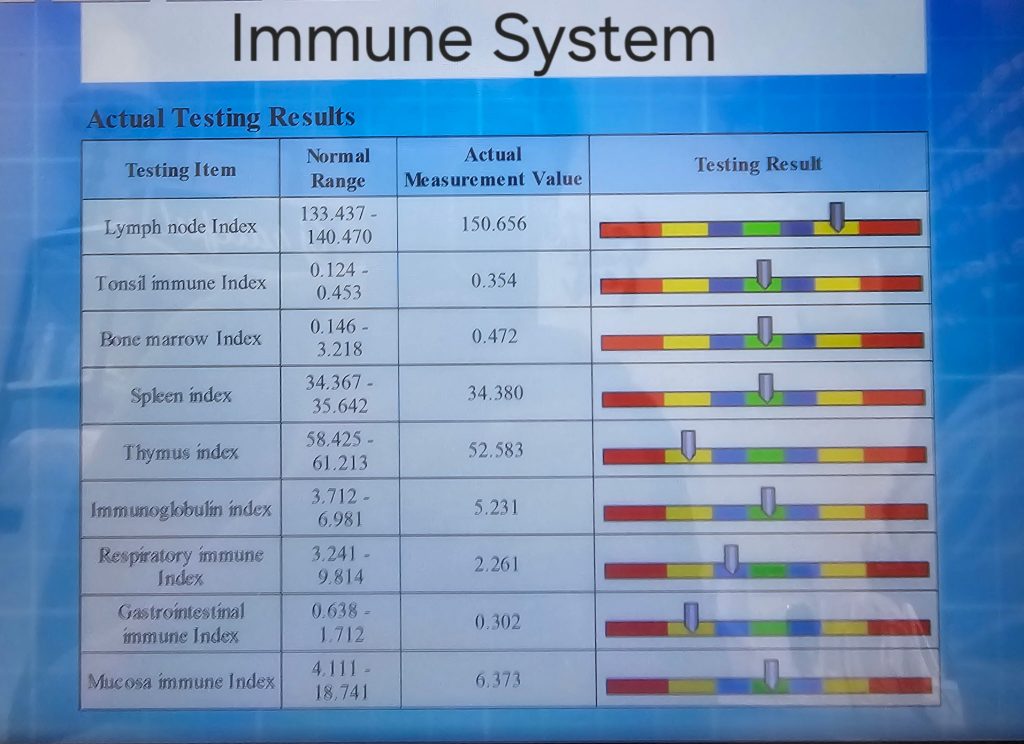
- Routine immune testing (immunoglobulin levels, white blood cell differentials, cytokine patterns, etc.) can detect early shifts and guide prevention.
3. Balance = Resilience
A balanced immune system means the body can:
- Defend effectively against pathogens.
- Recover quickly from stress, infections, or injury.
- Avoid overreaction (allergy, autoimmunity).
- Maintain harmony with gut microbiome and detox systems.
Immune balance is therefore not about boosting — it’s about optimizing and regulating. A chronically “boosted” immune state can be as harmful as a suppressed one.
4. Connected to Every Other System
The immune system is deeply linked to:
- Endocrine balance: Stress hormones (like cortisol) modulate immunity.
- Nervous system: Emotions and neurotransmitters directly influence immune signaling.
- Digestive system: 70–80% of immune cells live in the gut.
- Detox system: Liver, spleen, lymphatic system filter immune waste and antigens.
If one system is imbalanced, the others follow — which is why immune balance is a foundation of whole-body wellness.
5. Consequences of Imbalance
| Type of Imbalance | Possible Outcomes |
| Low / Suppressed | Frequent infections, slow recovery, fatigue, poor detox, cancer susceptibility |
| High / Overactive | Autoimmunity, allergies, chronic inflammation, tissue damage, aging acceleration |
| Erratic (Fluctuating) | Immune exhaustion, chronic fatigue, hormonal imbalance, mood swings |
6. How to Keep It in Balance
- Regular assessment: Immune panels, inflammation markers (CRP, cytokines), nutritional status.
- Nutritional support: Antioxidants, zinc, selenium, vitamins D & C, omega-3s.
- Microbiome care: Probiotic and prebiotic foods.
- Stress regulation: Meditation, breathwork, proper rest.
- Detoxification: Support liver and lymphatic drainage to reduce immune burden.
In summary:
Checking your immune system is like checking the health of your body’s central command.
A balanced immune system means:
 clear mind
  strong body
  calm emotions
  natural resistance
Without balance, every other system begins to drift from health toward disease.
With balance, your body can heal, defend, and thrive.
Leave a Reply